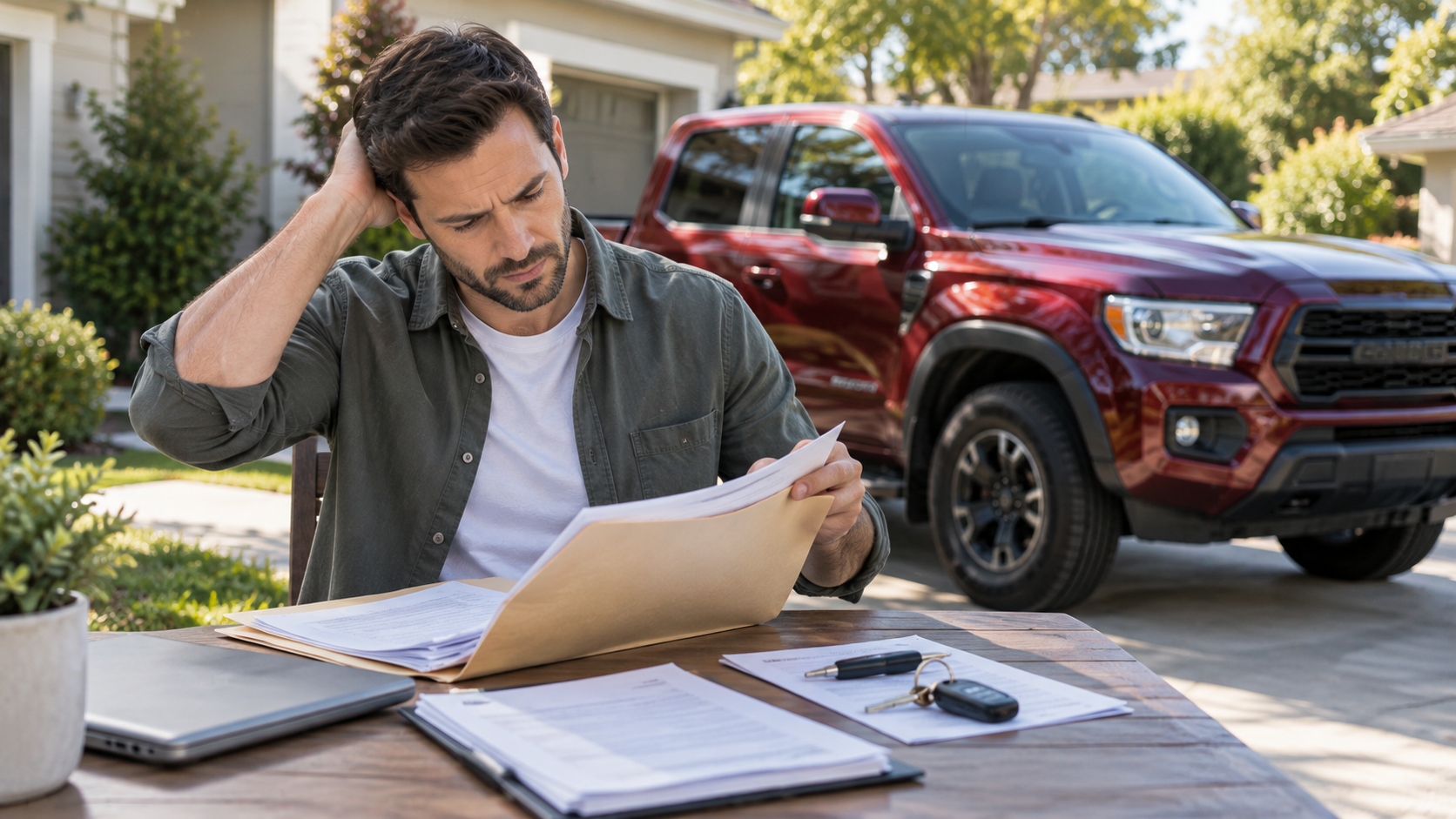
You have a buyer ready, the price is agreed, and the car is sitting in the driveway — but the title is nowhere to be found. Can you still sell a car without a title? Sometimes there is a legal path forward, but in many ordinary private-party sales the safest solution is to resolve the title problem before handing over the vehicle. The exact procedure depends on the state, why the title is unavailable, whether the vehicle has a lien, whether the title exists electronically, and sometimes the vehicle's age or history. A bill of sale alone should not automatically be treated as a substitute for proof of ownership.
Why the Title Matters When You Sell a Car
A vehicle title establishes important ownership information and is normally central to transferring that ownership to another person. It identifies the vehicle, usually by VIN, and records the titled owner. It may also show a lienholder or other information relevant to the transfer. When you sell a vehicle privately, the buyer needs a valid path to become the titled owner. Simply giving someone the keys, accepting money, and writing a receipt does not necessarily provide everything required to title and register the car.
That is why a missing title is more than an inconvenience. It can interrupt the legal ownership chain and leave the buyer unable to complete the transfer. State procedures differ, however, and some situations can be handled with replacement-title applications or other approved documents. Before deciding what is possible, determine exactly why the title is unavailable.
First, Find Out Why You Do Not Have the Title
“Missing title” can describe several completely different situations. You may have lost a paper title issued in your name, your state may maintain the title electronically, a lender may still control it, a paid lien may not have been released, or the vehicle may never have been properly transferred into your name. An inherited or out-of-state vehicle can add another layer. Those situations should not be treated as interchangeable.
Before advertising a car without a paper title, determine whether:
- The title was issued to you but lost or damaged — a replacement or duplicate title may be the straightforward solution.
- The title is electronic — your state may provide a specific transfer process without an existing paper certificate.
- A lender controls the title — you may need to satisfy the lien or coordinate the sale with the lienholder.
- A paid lien still appears on record — a lien release or updated title record may be required.
- The title is in another person's name — the earlier ownership transfer may need to be completed first.
- The owner has died — estate, probate, survivorship, or beneficiary procedures may control the transfer.
- The vehicle came from another state — the issuing jurisdiction may need to resolve the missing document.
Once you know which situation applies, you can ask the state motor vehicle agency the right question instead of relying on a generic answer about selling “without a title.” Keeping the paperwork sequence clear also gives both parties a record of what was completed, when possession changed hands, and which remaining state-specific steps still need to be handled after the sale.
Lost Your Title? A Replacement Is Usually the First Place to Look
If a valid title was previously issued in your name and you simply lost the document, start with the replacement or duplicate-title procedure in the issuing state. Terminology and requirements vary. You may need identification, the VIN, vehicle information, an application, a fee, and sometimes additional documentation. Our lost car title replacement guide explains the common steps and documents involved.
The California DMV title transfer and replacement guidance is one example of how a state handles title problems and ownership changes. It is not a nationwide rule, so sellers should use the agency responsible for the state in which their own vehicle is titled. Replacing the missing document before the sale often creates a much cleaner transaction.
Do Not Assume a Bill of Sale Replaces the Title
A bill of sale can document the buyer, seller, VIN, price, date, mileage, and other transaction details. But that does not mean it universally substitutes for a title. A seller may assume a signed receipt gives the buyer enough proof to register the car, only for the buyer to discover that the state requires additional evidence before issuing ownership documents.
Use a bill of sale when your state requires one or when it provides useful transaction documentation, but do not rely on it as a replacement for a missing title unless the relevant motor vehicle agency specifically permits that procedure for your situation. For the broader private-sale handover process, see our private seller paperwork and handover checklist.
What If Your State Uses Electronic Titles?
Not having a paper title in your hand does not necessarily mean the title is missing. Some states maintain titles electronically in certain circumstances, and a lender may be connected to an electronic lien and title system. In these cases, the ownership record exists even though there is no certificate in your filing cabinet.
If your vehicle has an electronic title, check the official motor vehicle agency before requesting a replacement paper title. There may already be a process for converting, releasing, or transferring the electronic record. The important distinction is between no paper title and no valid title record.
What If There Is Still a Lien on the Car?
An active auto loan changes the sale because the lender has a financial interest in the vehicle. Depending on the state and lender, the lienholder may possess the paper title, appear on an electronic title, or control the release necessary for a clean transfer. Before listing the vehicle as if you have a clear title, contact the lender and review our lien release and title transfer guide.
A financed-car sale often requires these steps:
- Contact the lienholderRequest the exact payoff procedure and current payoff amount.
- Confirm how the title is heldFind out whether it is paper or electronic and what happens after payoff.
- Explain the lien to the buyerDo this before taking final payment.
- Arrange payment and payoffUse a method acceptable to the lender and both parties.
- Obtain the release documentationMake sure the lien is released in the manner required for transfer.
- Complete the state transfer requirementsDo not treat the transaction as finished until the ownership path is clear.
A legitimate lien is usually a solvable administrative issue. Hiding it or assuming that payment alone clears the ownership record is what creates trouble. Keeping the paperwork sequence clear also gives both parties a record of what was completed, when possession changed hands, and which remaining state-specific steps still need to be handled after the sale.
What If the Title Is Not in Your Name?
This situation is more serious than simply losing your own title. If you bought the vehicle from another person but never completed the title transfer, the old owner may still appear in the state's records. Trying to resell the car without resolving your own ownership can create a broken chain of title.
Do not assume that having the keys, registration paperwork, an old bill of sale, or possession of the vehicle automatically gives you authority to sign another person's title as the seller. Contact the motor vehicle agency and determine what must be done to complete the earlier transfer. Trying to skip an owner in the title chain can create major problems for the next buyer.
Never Sign Someone Else's Name or Alter a Title
A missing signature or unavailable previous owner does not give you permission to create the missing authorization yourself. Do not sign another person's name, change ownership information, erase entries, use correction fluid, manufacture a replacement document, or alter a VIN or mileage disclosure. If an old title was completed incorrectly, ask the issuing agency what correction procedure applies.

Odometer Disclosure Still Matters
A title problem should not cause you to overlook mileage requirements. NHTSA explains that federal law requires written disclosure of odometer mileage by the seller to the buyer when ownership of a covered vehicle is transferred, with exemptions for certain vehicles. If the displayed mileage is not accurate, the applicable disclosure must reflect that. Our odometer disclosure guide covers this issue in more detail. Read the odometer at the time of transfer and follow the form and disclosure procedure applicable to your transaction. Do not invent a mileage number, copy an old advertisement, or assume a missing paper title eliminates a separate disclosure requirement.
Be Careful With “No Title Needed” Claims
Online listings sometimes include phrases such as “bill of sale only,” “lost title, easy fix,” or “no title needed.” Treat those statements cautiously. A seller may genuinely be dealing with an older vehicle or state-specific exception, but the phrase itself proves nothing. The buyer still needs to know whether they can legally establish ownership and register or title the vehicle where required.
If you are the seller, give the buyer accurate information about what documents exist, whose name appears in the ownership record, whether a lien is present, and what the state agency told you. Transparency does not replace required paperwork, but it prevents a buyer from relying on a misleading description.
Avoid Creating a Title-Jumping Problem
If someone buys a vehicle, never transfers the title into their own name, and then attempts to sell it onward using the prior owner's paperwork, the transaction can create what is commonly described as title jumping or an open-title situation. The practical problem is straightforward: the person selling the car may not match the person recognized in the ownership documents. If you bought the car and failed to transfer it, correct your ownership record before trying to sell it to someone else. Likewise, if a prospective seller offers you a vehicle while the title remains assigned to an unrelated previous owner, investigate before paying.
What Should You Do Before Listing the Car?
If you already know the title is missing or complicated, resolve as much as possible before attracting buyers. A buyer is far more likely to complete the purchase when you can explain exactly what documentation exists and show that the ownership issue has been addressed. Before listing the vehicle, work through this checklist:
- Confirm the VIN against registration and available ownership records.
- Identify the titled owner and make sure you actually have authority to sell.
- Check for liens and obtain payoff or release information where necessary.
- Determine whether the title is paper or electronic rather than assuming it is lost.
- Request a replacement title if the original issued to you is genuinely missing.
- Correct previous transfer errors before attempting another sale.
- Check state-specific forms and identification requirements for the eventual transfer.
- Gather odometer, inspection, emissions, and other required documentation applicable to the vehicle.
- Tell the buyer about any unresolved issue before accepting a deposit or final payment.
This preparation may delay the listing, but it can prevent a much larger delay after money has changed hands. Keeping the paperwork sequence clear also gives both parties a record of what was completed, when possession changed hands, and which remaining state-specific steps still need to be handled after the sale.
Can You Sell the Car to a Junkyard Without a Title?
Vehicles sold for scrap, dismantling, or salvage can be governed by rules different from an ordinary private sale, but that does not mean every junkyard can accept every no-title vehicle. Requirements vary by state, facility, vehicle age, and transaction type. A legitimate operator may ask for identification, registration, proof of ownership, VIN information, a title, or another document authorized under state law. If the vehicle is at the end of its usable life, check the applicable state requirements and the licensed facility's documentation rules. Our junk car and scrap guide covers the broader disposal process.
Conclusion
Can you sell a car without a title? The answer depends on what “without a title” actually means and on the rules that apply to the vehicle. A lost paper certificate issued in your name may only require a replacement. An electronic title may already provide a valid ownership record. A financed vehicle may require coordination with the lienholder. A vehicle titled to someone else, inherited without completed paperwork, or carrying an unresolved ownership problem may require additional steps before a legitimate sale can occur.
Start by identifying the titled owner, VIN, lien status, issuing state, and reason the title is unavailable. Then check the official motor vehicle agency's procedure instead of assuming that a bill of sale will solve the problem. If a replacement title is available, obtaining it before taking final payment is usually the cleanest approach. Complete the required mileage disclosure, preserve transaction records, and make sure the buyer receives the documentation needed to establish ownership.